
Compact torque density
The series is presented as a smaller footprint than comparable cycloidal gearmotor setups at the same permitted torque, which helps when equipment space is tight.
RC series helical geared motor
For teams comparing industrial gearbox suppliers and geared motor manufacturers, the RC series combines a compact housing with hardened 20CrMnTi gears for continuous-duty drive lines that need steady torque and low noise.
The range covers RC37 through RC187, with direct motor, flange or shaft input and horizontal or vertical installation options. Use the 0.1~560rpm speed window and up to 28000Nm torque to narrow the frame that fits your machine.

The RC series keeps the drive compact while still covering higher torque requirements for industrial equipment.

A second view helps compare the reducer body, mounting shape and input layout before you specify the machine.
Core parameters
The RC series covers a broad frame range, flexible input paths and a drive design intended for continuous industrial use.
| Model range | RC37~RC187. |
|---|---|
| Output speed | 0.1~560rpm. |
| Output torque | Up to 28000Nm. |
| Motor power | 0.18~160kw. |
| Input forms | Direct motor connection, flange input or shaft input. |
| Installation models | Horizontal or vertical installation. |
| Gear material | 20CrMnTi alloy steel with quenching, carburizing and precision grinding. |
| Typical applications | Chemical machinery, cement agitator machinery, printing and packaging machinery, mine and power transmission machinery, metallurgy. |
The series is presented as a smaller footprint than comparable cycloidal gearmotor setups at the same permitted torque, which helps when equipment space is tight.
20CrMnTi alloy steel, heat treatment and precision grinding support long-running industrial use where gear wear matters.
Direct, flange and shaft inputs plus horizontal or vertical mounting make the series easier to place around the machine line.
How to narrow the right size
Keep the selection simple: start with the load, then check how the reducer fits the machine and how it can be serviced later.
Match the target torque and operating speed before you compare frame numbers. That keeps the drive choice grounded in the actual machine duty.
Direct motor, flange input and shaft input each change how much room the drive needs. Use the machine envelope to rule out awkward fits early.
Horizontal and vertical installation options are both listed, so maintenance access and line orientation should be part of the final frame choice.
Send these details first
Share the details that change the frame choice, and the team can narrow the RC series without back-and-forth.
Tell us whether the drive is for chemical processing, cement mixing, packaging, mining, metallurgy or another industrial line.
Share the output speed window and torque target so the series can be sized against the listed 0.1~560rpm and up to 28000Nm range.
Confirm whether installation is horizontal or vertical, plus any flange or shaft input preference.
Send the space limits and shaft layout so the frame size can be matched to the machine instead of the other way around.
Other geared motor paths
These related products cover adjacent layouts and load ranges, so you can compare the RC series against other real drive options on the same site.
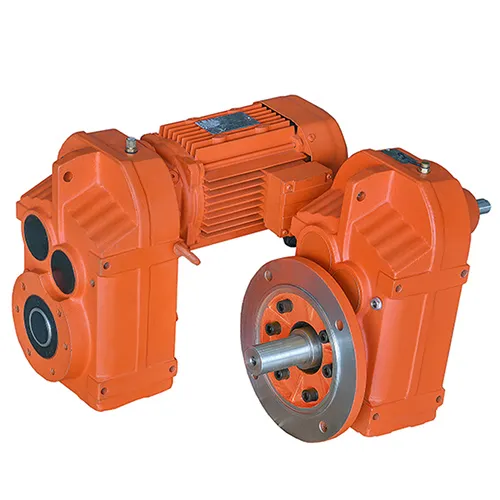
Use this when a parallel-shaft layout and higher torque range are the main comparison points for the line.
Open product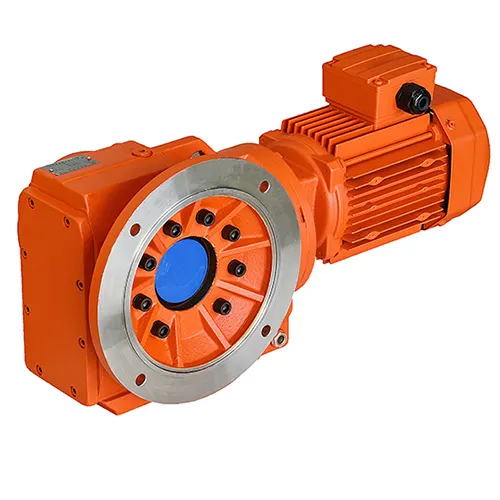
Use this when bevel output and heavy-duty transmission needs become the stronger fit than a straight RC layout.
Open product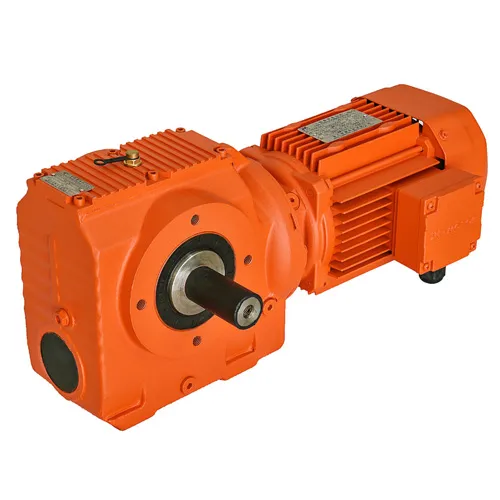
Use this when right-angle output and a lower torque window fit the machine better than the RC series.
Open product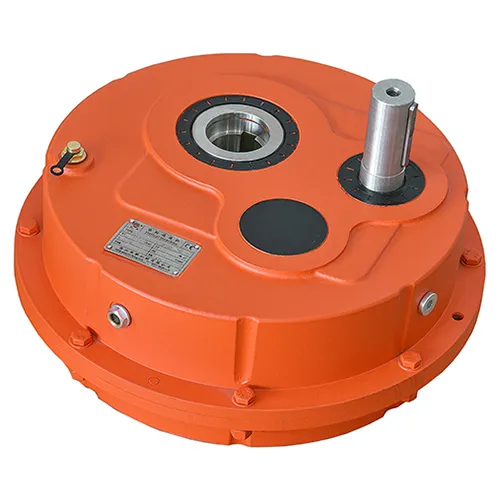
Use this when shaft-mounted installation and compact equipment access are the key comparison points.
Open productArticles that clarify the choice
The articles below stay focused on operating time, space, and industrial environment, which are the questions most buyers need answered before ordering.
See how the RC series fits continuous-duty lines that need steady torque, compact build and lower vibration across long operating periods.
Read articleCheck how a compact reducer shape can help when installation room is limited and the machine still needs easier access for service.
Read articleReview the load and duty factors that matter when the drive must stay reliable in chemical processing or mining environments.
Read articleQuestions buyers ask next
These answers cover the key choices to settle before you send a request.
Start with the load, the output speed target and the available mounting space. The RC series runs from RC37 through RC187, so the frame should be chosen from the smallest size that still meets the torque and layout target.
The available input forms are direct motor connection, flange input and shaft input, which gives you more room to match the reducer to the machine layout.
Yes. Horizontal and vertical installation are both available, so the same series can fit different machine orientations.
The listed output speed is 0.1~560rpm, output torque reaches up to 28000Nm, and motor power ranges from 0.18~160kw.
The RC series is suited to chemical machinery, cement agitator machinery, printing and packaging machinery, mine and power transmission machinery, and metallurgy.
Send the equipment type, target speed, torque need, mounting direction, available space and preferred frame range so the right RC setup can be narrowed quickly.
Send the machine type, torque target, speed window, mounting direction and space limit through Contact Us, and use the RC product page as the quick reference while you review the final size.
